Can you tell us a little about yourself and how you began your journey in film?
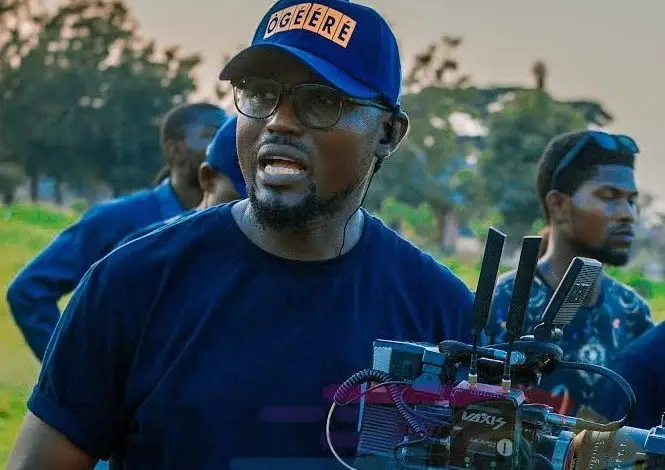
I am a Nigerian Technical Director and Director of Photography with over two decades of experience across Nollywood films, television productions, TV commercials, and documentaries. I was born on December 3, 1978, in Lagos State, Nigeria.
My journey into film began at a very young age under the mentorship of my father, a professional photographer and videographer known for his work in event and portrait photography. Being around cameras and video equipment early in life gave me hands-on experience with manual cameras and foundational production techniques. That early exposure sparked my passion for visual storytelling.
Professionally, my growth accelerated under the tutelage of renowned cinematographer, producer, and director Kingsley Ogoro at Klink Studios. There, I refined my technical expertise and developed a deeper understanding of cinematic language.
Academically, I attended Subola Primary School in Surulere, Lagos, followed by Ansar Ud-Deen Grammar School on Randle Avenue, Surulere. I later earned a Bachelor of Science degree in Mass Communication from Lagos State University, specializing in Photojournalism and Cinematography—training that strengthened both my technical and storytelling abilities.
Over the years, I have been honored with several recognitions, including the 2018 MSAA – Africa’s Best Cinematographer of the Year award. My work on the internationally acclaimed film The Mystic River earned me a nomination for Best Cinematographer at the Africa Magic Viewers’ Choice Awards in 2022.
What drew you to this particular project?
The script of Ogeere immediately drew me in because of its rich cultural significance and deep connection to Yoruba traditions. It is not just entertainment—it educates and enlightens audiences, especially younger generations, about the cultural heritage of the Yoruba people.
The storyline blends romantic drama, thrilling elements, emotion, and powerful lessons. It offered a meaningful opportunity to tell a culturally rooted story in a visually compelling way.
How would you describe your visual style as a cinematographer?
As a cinematographer with over two decades of experience, my visual style is deeply rooted in storytelling. I strive to capture the essence of every scene, blending technical precision with creative vision to fully immerse audiences in the world of the story.
At the heart of my work is authenticity. I focus on capturing emotive, truthful moments that resonate with viewers and draw them into the narrative. Through dynamic composition, I carefully balance framing, lighting, and camera movement to create visually compelling and emotionally powerful images.
Collaboration is central to my process. I work closely with directors and creative teams to translate their vision into cinematic reality, adapting my style to suit the unique tone, mood, and demands of each project.
Ogeere deeply reflects Yoruba culture. How did you approach capturing the essence of those cultural elements visually?
Capturing the essence of Yoruba culture for Ogeere was truly a privilege. Director Ololade Tijani Ebong and I worked closely together during pre-production, collaborating extensively on the storyboard and shot list. This preparation allowed me to approach the visual storytelling with clarity, intention, and deep cultural awareness.
To authentically represent Yoruba heritage, I immersed myself in Yoruba aesthetics—studying traditional art, textiles, and architecture to inform our color palette, composition, and lighting choices. This cultural research shaped the visual identity of the film.
The directors prioritized shooting in authentic, historic Yoruba locations, leveraging natural landscapes such as Erin Ijesha Waterfalls and surrounding mountain terrains. The natural textures and environments added realism and depth to the narrative.
Cultural symbolism was central to my approach. Traditional elements such as Adire and Aso Oke fabrics, ceremonial attire, cultural artifacts, masquerades, and dancers to enrich the visual storytelling. These elements were not just decorative—they carried meaning and reinforced the film’s cultural grounding.
In terms of color and lighting, we embraced warm, vibrant earth tones to reflect the richness of Yoruba culture and its deep connection to the land. Natural lighting played a significant role, especially in daytime scenes, where sunlight helped create authentic, textured imagery.
Through symbolic framing, I composed shots that positioned characters within culturally significant spaces—palaces, marketplaces, and communal settings—ensuring the environment became an active part of the storytelling.
Ultimately, this approach grounded the film in Yoruba tradition while delivering a visually compelling and emotionally resonant cinematic experience.
What was the most technically demanding aerial sequence in the film, and how did you achieve it?
One of the most technically demanding aerial sequences in Ogeere involved executing a sweeping drone and crane shot over a traditional Yoruba palace courtyard during a pivotal festival scene. It was an intense production day, with over 1,000 background actors filling the space.
The primary challenge was achieving smooth, cinematic camera movement above a densely populated area while maintaining safety, respecting cultural sensitivities, and racing against fading daylight. Precision timing and coordination were critical.
Through close collaboration with the director, drone pilot, crane operators, and safety team, we carefully choreographed the movement of both camera and crowd. We also integrated Steadicam and handheld rigs on the ground to ensure seamless visual continuity between aerial and eye-level perspectives.
In post-production, we enhanced the color grading to emphasize the vibrancy of the festival and stabilized the aerial footage to blend flawlessly with the ground shots. The final result was a breathtaking sequence that captured the scale, energy, and cultural grandeur of the moment.
With many interior and exterior scenes, how did you manage continuity in lighting while preserving authenticity?
Managing lighting continuity across Ogeere’s interior and exterior scenes was essential to maintaining visual consistency and authenticity throughout the film.
We began with thorough pre-production planning, carefully scouting each location to assess natural light patterns and anticipate potential lighting challenges. Understanding how light behaved in each space allowed us to design a cohesive visual approach from the outset.
For interior scenes, we balanced practical light sources—such as lanterns and sunlight streaming through windows—with subtle artificial enhancements. This ensured the lighting felt organic while still providing the necessary control for cinematic quality.
For exterior scenes, we scheduled shoots strategically, taking sun positioning and golden hour into account to maintain visual continuity. Timing was critical in preserving consistent tones and shadows across sequences.
Close collaboration with the gaffer and production designer was also key. Together, we ensured that lighting aligned with the intended time of day, emotional tone, and cultural setting of each scene.
Finally, in post-production, color grading played an important role in unifying the look of the film. It helped seamlessly blend interior and exterior scenes while preserving the authenticity of the environment.
Ultimately, our goal was to support the story’s cultural integrity while delivering a visually cohesive and immersive cinematic experience.
What did you learn from working on ogeere that you weren’t expecting?
Working on Ogeere reinforced for me the profound power of cultural storytelling through visuals. I did not anticipate just how deeply I would be impacted by the richness of Yoruba traditions and cultural nuances. The experience significantly deepened my appreciation for authentic and respectful representation on screen.
One of the most important lessons I learned was the value of accuracy in portraying cultural details. Every costume, setting, gesture, and symbol carries meaning. The input and feedback from members of the Yoruba community were invaluable in helping us remain truthful to the culture.
I vividly recall moments when the director would pause production to seek the guidance of elderly men within the community. Those instances reminded me that storytelling, especially when rooted in heritage, requires humility, listening, and respect.
Ultimately, the experience strengthened my belief that when culture is portrayed with sincerity and care, the visuals become more powerful and enduring.
What advice would you give other cinematographers working on culturally rooted stories with both traditional and modern visual elements?
Cinematographers working on culturally rooted stories carry a profound responsibility. Beyond creating visually striking images, they must honor the heritage and identity embedded within the narrative. The process begins with immersion—taking the time to understand the culture’s nuances, aesthetics, and symbolism so that every visual choice is intentional and authentic.
Collaboration is equally essential. Working closely with directors, cultural advisors, and community members ensures accuracy and builds trust. Cultural storytelling thrives on listening, humility, and respect for those whose traditions are being portrayed.
It is also important to balance tradition with modern cinematic techniques. While strong visual storytelling enhances the film’s appeal, authenticity must always remain the priority. Ultimately, the cinematographer’s role is to serve the story while honoring its cultural roots, creating imagery that is both compelling and meaningful.